
Treatment of the gums
Periodontal treatment and gum care are essential for health. Scientific references continually demonstrate the relationship between the bacteria in the mouth and their direct link with systemic diseases such as Parkinson's, heart disease or even diabetes.
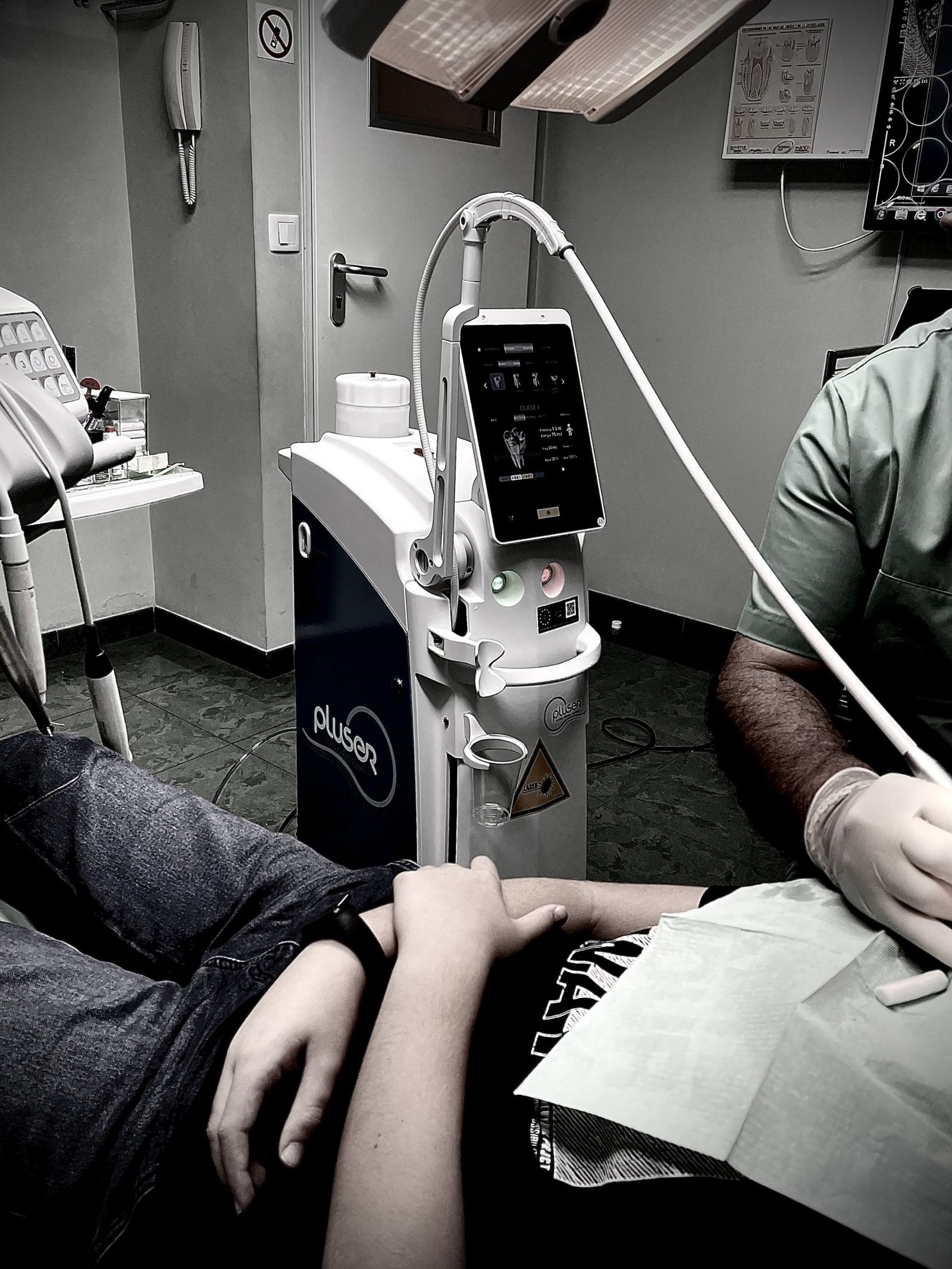
- Laser-assisted
- Photobiomodulation
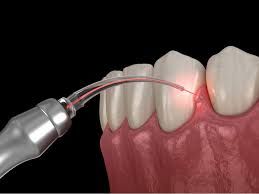
- Laser disinfection
- Periodontal treatment combined with laser
- Better tissue response and fast healing

Periodontics
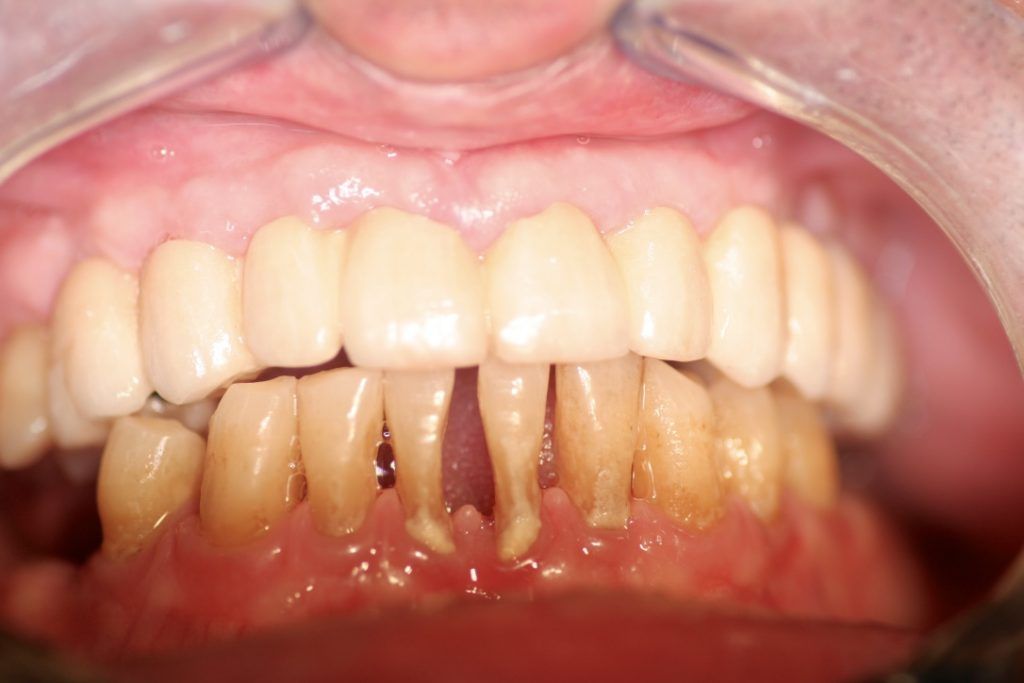
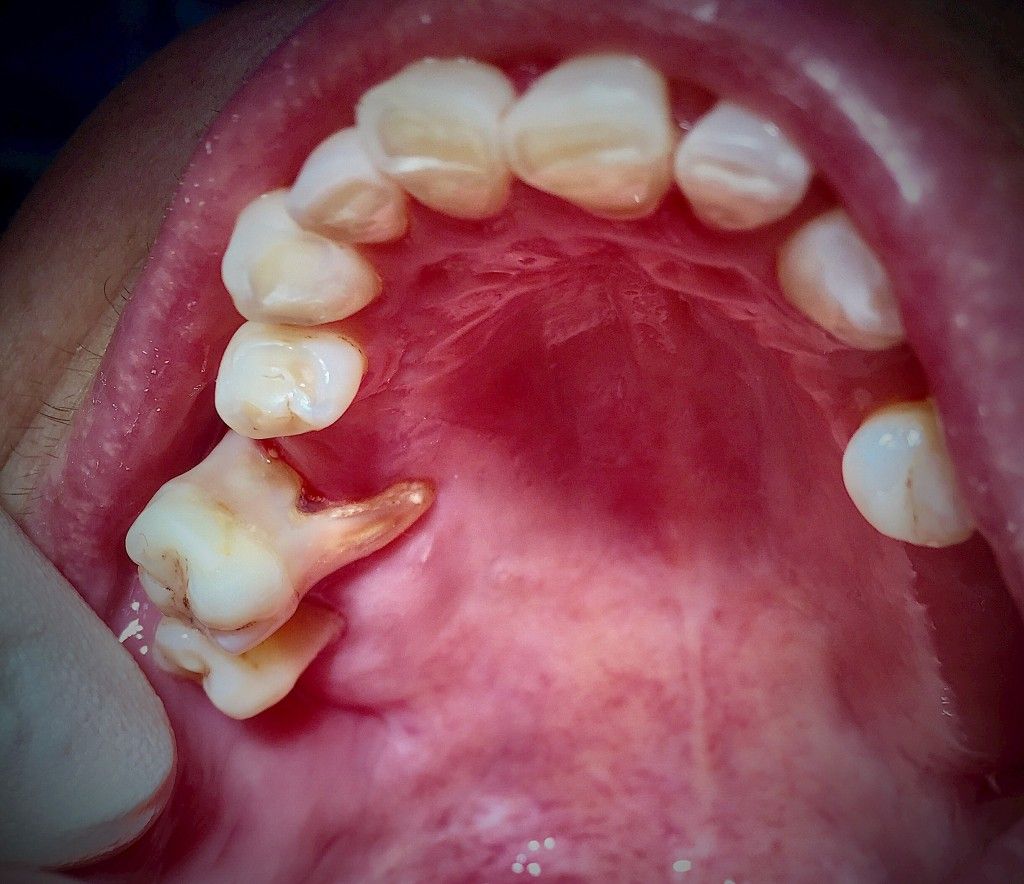
In our clinics we treat all the pathologies associated with the gums and the tissue surrounding the teeth. This specialty, known as periodontics, deals with conditions that appear in different forms and degrees, from the mildest, gingivitis, to more serious cases such as periodontitis, in which the survival of the tooth is at risk and its loss is almost imminent.
These pathologies are very common in our population and, as they generally do not cause pain, the patient does not perceive the danger involved; occasionally there may be episodes of bleeding when brushing and halitosis or bad breath, which should urgently alert us to visit the clinic if we do not want to lose our teeth.
Periodontitis or “pyorrhoea” is an inflammatory disease that affects the tissues surrounding the tooth (gums and bone). It is currently the most important cause of tooth mobility and tooth loss. It appears in approximately 80 % of the middle-aged adult population (>35 years). It is caused by the accumulation of bacterial plaque from food on the surfaces of the teeth and gums.
At Clínicas Vilariño, periodontal treatment consists of:
- Periodontal probing: diagnosis of the degree of involvement and bone destruction.
- Scaling or mouth cleaning (removal of tartar above the gum line).
- Curettage and root planing + LASER TREATMENT by quadrants (removal of tartar below the gum line).
- Periodontal review and maintenance every 6 months (individualised periodic check-ups to evaluate the results and maintain periodontal health).
- The progression of the disease can be stopped, and recovery is better the earlier it has been detected.
In most cases no pain is felt, which is why it often goes unnoticed. For this reason, it is important to request a gum evaluation at our clinics to stop periodontal disease in its early stages.
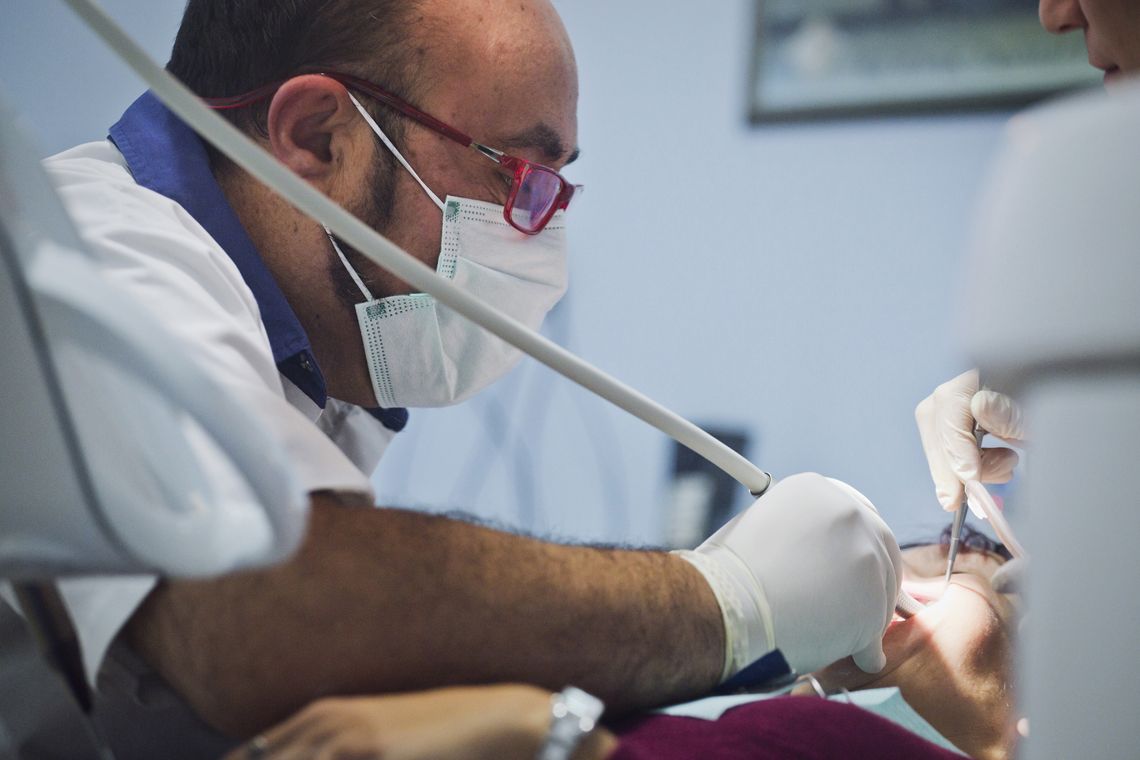
We want to answer your questions
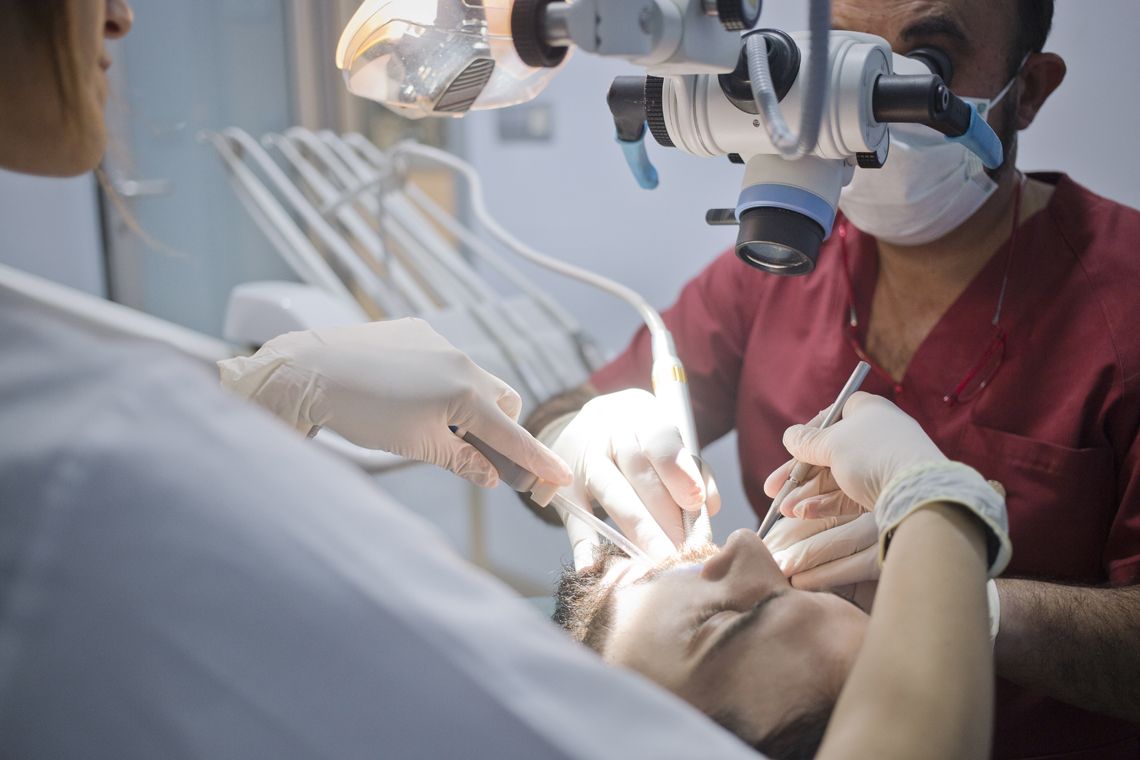
Periodontitis, pyorrhoea and gum disease
Periodontitis or “pyorrhoea” is an inflammatory disease that affects the tissues surrounding the tooth (gums and bone). It is currently the most important cause of tooth mobility and tooth loss. It appears in approximately 80 % of the middle-aged adult population (>35 years). It is caused by the accumulation of bacterial plaque from food on the surfaces of the teeth and gums.
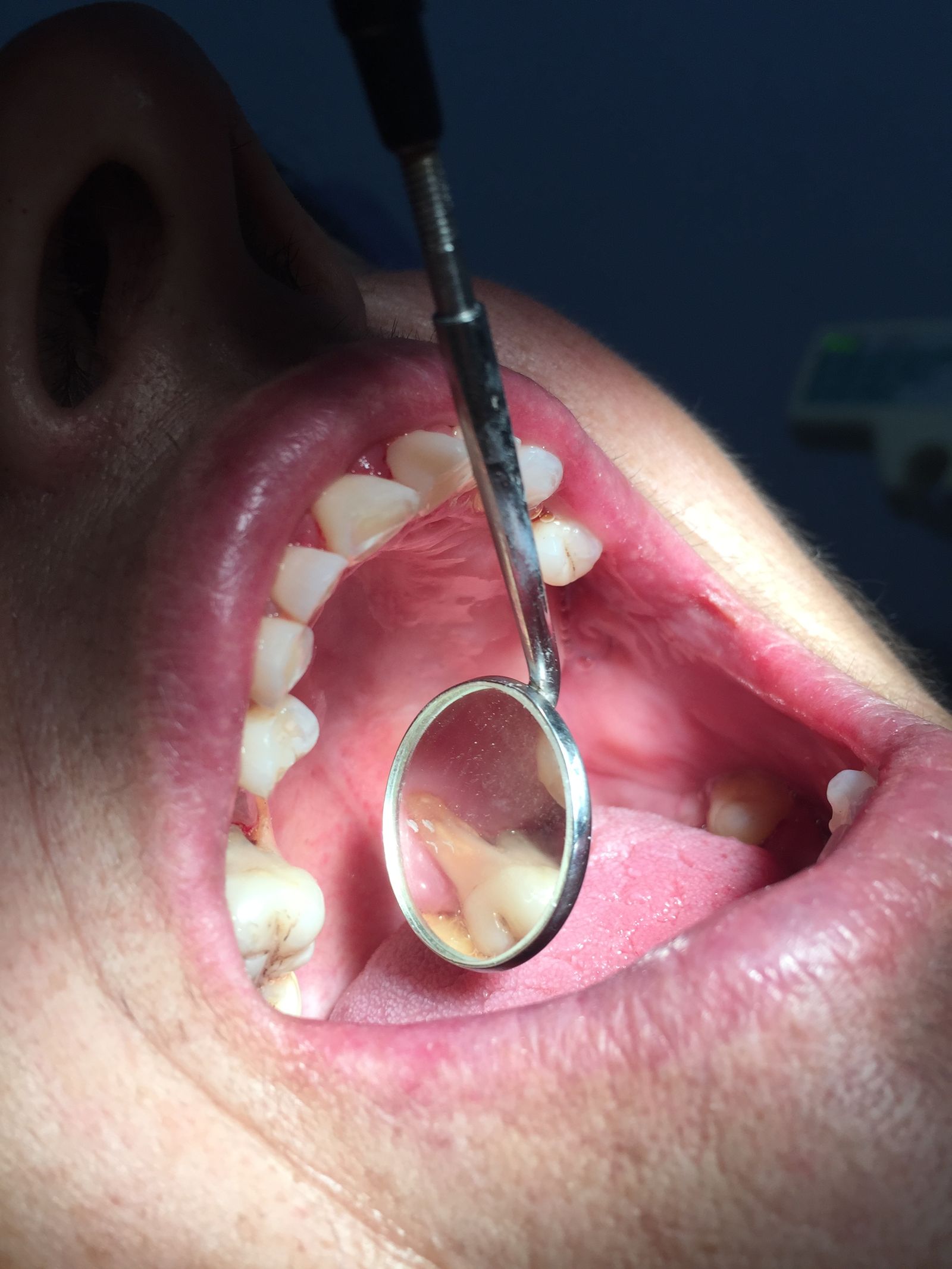
How does periodontal disease progress?
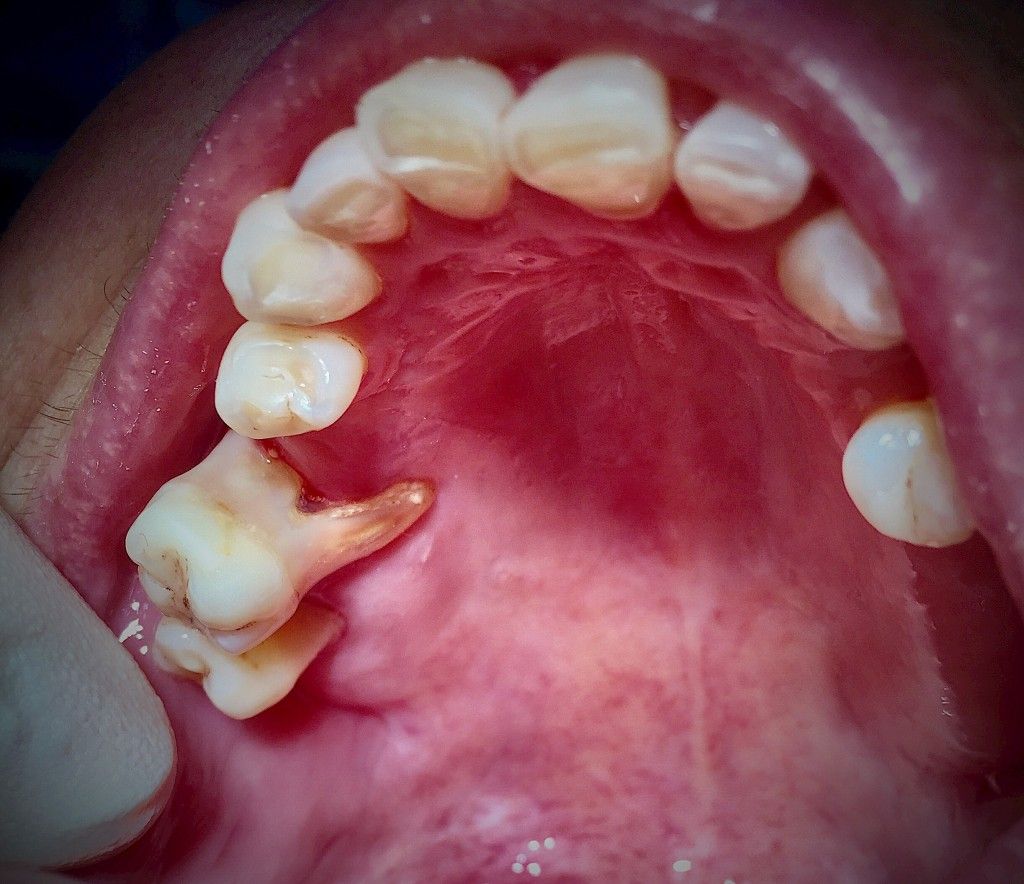
Gum disease usually begins with accumulations of bacterial plaque around the teeth, penetrating the groove that surrounds the root and the bone. It shows up as small sporadic bleeds that become more frequent and intense over time, and it is usually accompanied by bad breath or halitosis that does not disappear after brushing. If this stage, called gingivitis, is not treated, it progresses with loss of bone and tooth support; pain may appear in one tooth or in all of them, or it may remain asymptomatic, the patient only noticing tooth mobility: this is the stage of periodontitis. Periodontitis is an irreversible process that, if untreated, worsens and leads to the loss of teeth, as well as contaminating the rest of the body and contributing to systemic diseases such as heart attack, diabetes, Parkinson's, etc. It is an infectious disease (caused by bacteria) and, depending on how far it has spread, it is called gingivitis (affecting only the gum) or periodontitis (affecting the bone). If it is left to progress untreated, it will destroy the bone, causing mobility and loss of the teeth.
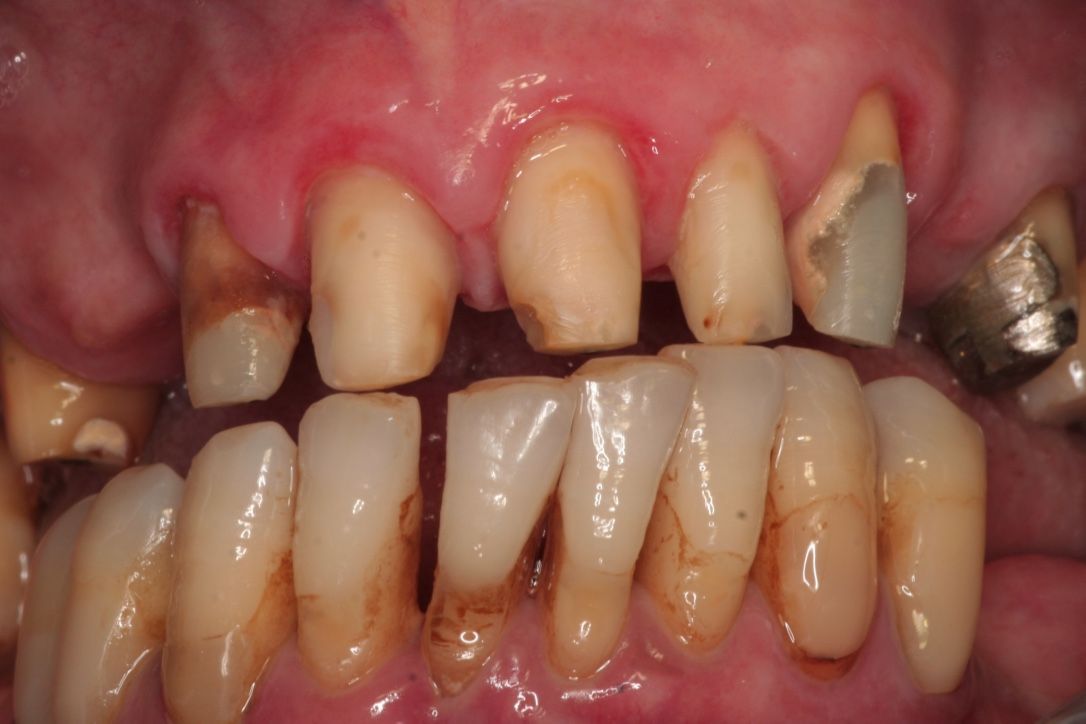
What does periodontal treatment involve?
In our clinics, periodontal treatment consists of:
- Periodontal probing: diagnosis of the degree of involvement and bone destruction.
- Scaling or mouth cleaning (removal of tartar above the gum line).
- Curettage and root planing by quadrants (removal of tartar below the gum line).
- Periodontal review and maintenance every 6 months (individualised periodic check-ups to evaluate the results and maintain periodontal health).
- The progression of the disease can be stopped, and recovery is better the earlier it has been detected.
How do I know if I have pyorrhoea?
The most obvious symptoms can be summarised as:
- Tooth mobility or receding gums.
- Spontaneous bleeding of the gums or bleeding when brushing.
- Swollen, red or painful gums.
- Sensitivity in one or more teeth.
- Bad breath.
- Purulent fluid between the teeth and gums.
- Gums separated from the tooth.
In most cases no pain is felt, which is why it often goes unnoticed. For this reason, it is important to request a gum evaluation at our clinics to stop periodontal disease in its early stages.
We are your trusted dentist